

Hydrating Facial Cleanser vs. Gel Cleanser: Which One Belongs in Your Routine?
A cleanser sets the tone for the rest of a skincare ritual. The right formula removes daily impurities while leaving the skin comfortable, balanced, and ready for what follows.
When choosing between a hydrating facial cleanser vs. gel cleanser, texture is only part of the story. The more important questions are how your skin feels after cleansing, what your routine needs, and whether the formula supports a soft, healthy-looking complexion.
This guide explains the essential differences between a hydrating cleanser and a gel cleanser, including where a gentle foaming cleanser belongs.
Tags: cleansers, ingredients
The Essential Difference
A hydrating facial cleanser is designed to cleanse while helping the skin retain a comfortable level of moisture. These formulas often have a creamy, lotion-like, milky, or balm-inspired texture. They are frequently chosen by those with dry, dehydrated, sensitive, or mature-feeling skin.
A gel cleanser typically has a lightweight, water-based texture. It is designed to refresh the skin, remove excess oil, sweat, and surface impurities, and often create a light lather when massaged with water.
The distinction is useful, but not absolute. Some gel cleansers are deeply hydrating, while some cream cleansers provide a more thorough foaming cleanse. The formula’s ingredients, surfactants, and after-feel matter more than the name on the bottle.
Hydrating Facial Cleanser vs. Gel Cleanser
| Feature | Hydrating Facial Cleanser | Gel Cleanser |
|---|---|---|
| Texture | Creamy, milky, lotion-like, or balm-inspired | Lightweight, clear, translucent, or jelly-like |
| Primary purpose | Cleanse while preserving comfort and moisture | Remove oil, sweat, and impurities with a fresh finish |
| Foam level | Usually low-foaming or non-foaming | Low-foaming, foaming, or gel-to-foam |
| Best suited to | Dry, dehydrated, sensitive, normal, or mature-feeling skin | Oily, combination, normal, or congested skin |
| After-feel | Soft, nourished, and comfortable | Fresh, clean, and lightweight |
| Look for | Glycerin, squalane, hyaluronic acid, ceramides, nourishing emollients | Glycerin, aloe, gentle surfactants, and balanced cleansing agents |
A hydrating cleanser is not necessarily heavy, and a gel cleanser is not automatically drying. Modern formulas can combine effective cleansing with elegant, skin-comforting textures.
The Benefits of a Hydrating Cleanser
Comfort without a tight after-feel
A quality hydrating cleanser removes surface residue without leaving the skin feeling overly dry or uncomfortable. This is especially valuable when the skin feels tight after washing or when the complexion appears dull and uneven.
Hydrating formulas often include humectants such as glycerin or hyaluronic acid. These ingredients help attract and hold water, supporting a softer, more supple appearance.
Support for dry and sensitive skin
For dry skin, the best cleanser is often one that respects the skin’s natural comfort. Cream, lotion, and milky formulas can be especially appealing because they provide a gentle cleansing experience without an aggressive “squeaky clean” finish.
A hydrating cleanser can also be a refined choice during colder seasons, after travel, or whenever the skin feels more delicate than usual.
A nourishing sensory experience
Texture has a quiet influence on the ritual. A silky or creamy cleanser invites slower application and more considered care. It turns a practical step into a moment of calm.
For a daily face cleanser, this balance matters: effective enough to refresh the complexion, gentle enough to use consistently, and elegant enough to make the routine feel intentional.
The Benefits of a Gel Cleanser
A fresh, lightweight cleanse
Gel cleansers are appreciated for their clean, refreshing texture. They spread easily across damp skin and rinse away with a light, comfortable finish.
This makes them a natural choice for those who prefer a water-based cleanser or who enjoy a fresher sensation in the morning.
Effective removal of excess oil
Oily and combination skin may benefit from the way a gel cleanser lifts excess sebum, sweat, and daily impurities. A well-balanced formula can leave the skin feeling clean without creating unnecessary dryness.
The ideal finish is fresh rather than stripped. If the skin feels tight immediately after rinsing, the formula may be too intense for everyday use, or the routine may need a more nourishing follow-up.
Gentle foaming options
Some gel cleansers transform into a light lather when blended with water. These are often called gentle foaming cleansers or gel-to-foam cleansers.
Foam is not inherently harsh. The experience depends on the cleansing agents and the overall formula. Look for a cleanser that rinses clean while leaving the complexion smooth, calm, and comfortable.
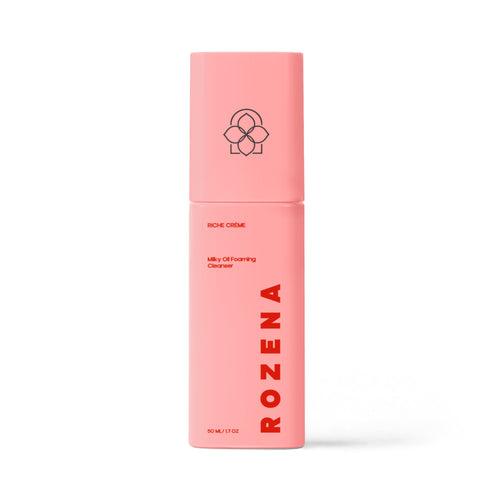
Where Does an Oil-to-Foam Cleanser Fit?
Some formulas sit between traditional cleanser categories. The Milky Oil Foaming Cleanser begins with a rich, milky-oil character and develops a soft, creamy foam as it is blended with water.
This makes it different from a classic gel cleanser, while still offering the light lather many people enjoy in a daily face cleanser. Its formula includes aloe leaf juice, vegetable glycerin, squalane, sodium hyaluronate, sunflower seed oil, and olive oil.
Each component serves a clear purpose:
- Aloe leaf juice: helps provide a soothing, refreshing feel.
- Vegetable glycerin: supports a comfortable, hydrated after-feel.
- Squalane: helps soften the skin’s surface.
- Sodium hyaluronate: supports the appearance of supple, moisturized skin.
- Sunflower and olive oils: contribute nourishing, emollient qualities.
Apply it with clean hands, blend until the texture becomes silky, and massage gently over the face and neck before rinsing. The result is a calm, polished cleansing ritual rather than a hurried first step.
Which One Is Right for You?
Choose a hydrating facial cleanser if:
- Your skin often feels dry, tight, or delicate.
- You prefer a creamy, milky, or low-foaming texture.
- Comfort and moisture are your main priorities.
- You want a cleanser that pairs naturally with a nourishing skincare routine.
Choose a gel cleanser if:
- Your skin is oily, combination, or frequently exposed to sweat.
- You prefer a lightweight, water-based texture.
- You enjoy a fresh rinse and light foam.
- You want to focus on removing excess oil and daily surface impurities.
Consider a gentle oil-to-foam formula if:
- You want nourishment with a soft foaming finish.
- Your skin is normal, dry, or combination.
- You prefer a cleanser that feels silky before it becomes creamy.
- You want one elegant formula for both morning and evening.
Skin can change with the season, climate, travel, and lifestyle. A hydrating cleanser may feel especially comforting in winter, while a gentle gel cleanser may feel refreshing in warmer weather. The most refined routine is responsive rather than rigid.
How to Use Your Cleanser with Care
Follow a few simple principles for a more comfortable cleanse:
- Use lukewarm water. Very hot water can leave the skin feeling less comfortable.
- Massage gently. Let the formula do the work without excessive pressure.
- Rinse thoroughly. Pay attention to the hairline, jawline, and sides of the nose.
- Pat, rather than rub, dry. Preserve the soft feel of the skin after cleansing.
- Follow with hydration. Apply the next product while the complexion still feels fresh.
A cleansing ritual should leave the skin prepared, not depleted. If the complexion feels smooth and comfortable afterward, the formula is likely working in harmony with the rest of the routine.
Complete the Ritual with Nourishment
Cleansing prepares the skin for the care that follows. After gently patting the face dry, apply the Pro-Aging Nourishing Face Cream to support a soft, moisturized, radiant-looking complexion.
Its formula includes squalane, glycerin, jojoba-derived ingredients, shea butter, sodium hyaluronate, and green tea leaf extract. Together, these ingredients create a rich, comforting step for skin that values nourishment and lasting softness.

Frequently Asked Questions
Is a hydrating facial cleanser better than a gel cleanser?
Neither is universally better. A hydrating facial cleanser is often more comfortable for dry or sensitive skin, while a gel cleanser may suit oily or combination skin. The best choice is the formula that cleanses effectively without leaving the skin tight or uncomfortable.
Can a hydrating cleanser foam?
Yes. Hydration describes the formula’s purpose, not only its texture. A hydrating cleanser can be low-foaming, creamy, milky, or designed to create a soft foam when blended with water.
What is the best cleanser for dry skin?
A creamy, milky, or nourishing hydrating cleanser is usually a strong choice for dry skin. Look for supportive ingredients such as glycerin, squalane, hyaluronic acid, aloe, or other emollients, and choose a formula that leaves the complexion comfortable after rinsing.
Can I use a gel cleanser every day?
Many gentle gel cleansers are suitable for daily use. Choose a balanced formula and observe how your skin feels afterward. If it feels tight, dry, or less comfortable, consider using a more hydrating cleanser or alternating textures according to your skin’s needs.
The Final Choice
The answer to hydrating facial cleanser vs. gel cleanser begins with how the skin feels and what the ritual should provide.
Choose hydration when comfort, nourishment, and softness come first. Choose gel when a lightweight, refreshing cleanse suits your skin. Choose a gentle oil-to-foam formula when you want the balance of a silky texture, soft lather, and a cared-for finish.
A considered cleanser does more than remove the day. It creates the foundation for radiant skin, quiet confidence, and a refined skincare ritual.