

How to Choose the Best Hydrating Facial Cleanser for Dry Skin (Compared)
Dry skin needs more than a cleanser that removes the day. It needs a formula that cleanses with precision while preserving the feeling of comfort, softness, and balance.
The best hydrating facial cleanser for dry skin should leave the face refreshed, never tight. It should remove sunscreen, makeup, excess oil, and daily impurities without taking away the moisture skin needs to look radiant.
Texture matters. Ingredients matter. So does the feeling left behind after rinsing.
This guide compares the most common cleanser types (foaming, gel, cream, and oil or milky oil) and explains how to choose a hydrating cleanser that supports a refined daily ritual.
What Dry Skin Needs from a Cleanser
Dry skin often feels tight, rough, flaky, or uncomfortable after cleansing. This can become more noticeable during cold weather, dry indoor heating, air travel, or after using overly strong cleansing formulas.
A suitable cleanser should offer three things:
- Gentle cleansing, to remove impurities without excessive friction
- Moisture support, to help skin feel soft and comfortable after rinsing
- A balanced finish: clean and refreshed, never squeaky or stripped
Look for formulas described as hydrating, nourishing, gentle, moisturizing, or suitable for dry and sensitive skin. Ingredients such as glycerin, hyaluronic acid, squalane, plant oils, panthenol, and aloe vera can provide a more cushioned cleansing experience.
The ideal formula should also complement the rest of the skincare routine. Cleansing is the beginning of care, not a step that leaves skin needing to recover.
Cleanser Types Compared
Different textures create different experiences. The best choice depends on how dry your skin feels, how much makeup or sunscreen you wear, and whether you prefer a creamy, weightless, or foaming finish.
| Cleanser type | Best qualities | Considerations for dry skin |
|---|---|---|
| Foaming cleanser | Fresh, light, and effective at removing daily impurities | Traditional foams may feel drying, so choose a formula specifically designed to hydrate |
| Gel cleanser | Lightweight and refreshing | Some gels focus on oil control and may not provide enough comfort for consistently dry skin |
| Cream cleanser | Soft, rich, and cushioning | An excellent choice for dry or sensitive skin, especially when tightness is a concern |
| Oil or milky oil cleanser | Dissolves makeup and sunscreen while supporting a smooth finish | Ideal for dry skin that prefers nourishment without a heavy balm texture |
1. Foaming Cleansers
Foaming cleansers are popular because they create an immediate sense of freshness. The soft lather can feel elegant and thorough, particularly in an evening routine.
However, not every foaming cleanser is suitable for dry skin. Formulas created primarily for oil control or deep cleansing may remove too much of the skin’s natural comfort. The result can be tightness immediately after rinsing.
A hydrating foaming cleanser is different. It combines a soft foam with moisturizing and nourishing ingredients, creating a clean finish without the harsh after-feel associated with some traditional formulas.
Choose a foaming cleanser for dry skin when it is clearly formulated to be gentle, moisturizing, and non-stripping.
2. Gel Cleansers
Gel cleansers usually have a lightweight, fluid texture. They are often appreciated by combination or oily skin because they rinse quickly and leave a fresh finish.
For dry skin, a gel cleanser can work when the formula includes humectants such as glycerin or hyaluronic acid and does not emphasize oil control. Still, a lightweight gel may not provide the same level of comfort as a cream or milky formula.
If your face feels tight after cleansing, a gel may not be the most nourishing option. Consider a cream or oil-based texture instead.
3. Cream Cleansers
Cream cleansers offer a soft, cushioned experience. Their richer texture makes them a natural choice for dry, delicate, or mature skin.
They are designed to cleanse without creating a sharp change in how the skin feels. Many cream formulas contain emollient ingredients that soften the surface while helping skin feel comfortable after rinsing.
A cream cleanser is especially suitable for morning use, cooler climates, and anyone who prefers a quiet, moisturizing ritual. The only consideration is texture: some people may prefer a formula that feels lighter and transforms during use.
4. Oil and Milky Oil Cleansers
Oil cleansers are effective at dissolving makeup, sunscreen, and oil-soluble residue. They can be especially useful in the evening when the skin has been exposed to a full day of environmental impurities.
A milky oil cleanser brings this nourishing quality together with a lighter, more fluid experience. When water is added, the texture can emulsify and become creamy before rinsing away.
This makes a milky oil formula an appealing choice for dry, thirsty skin. It offers the comfort of an oil with the fresh, clean finish many people expect from a foaming cleanser.
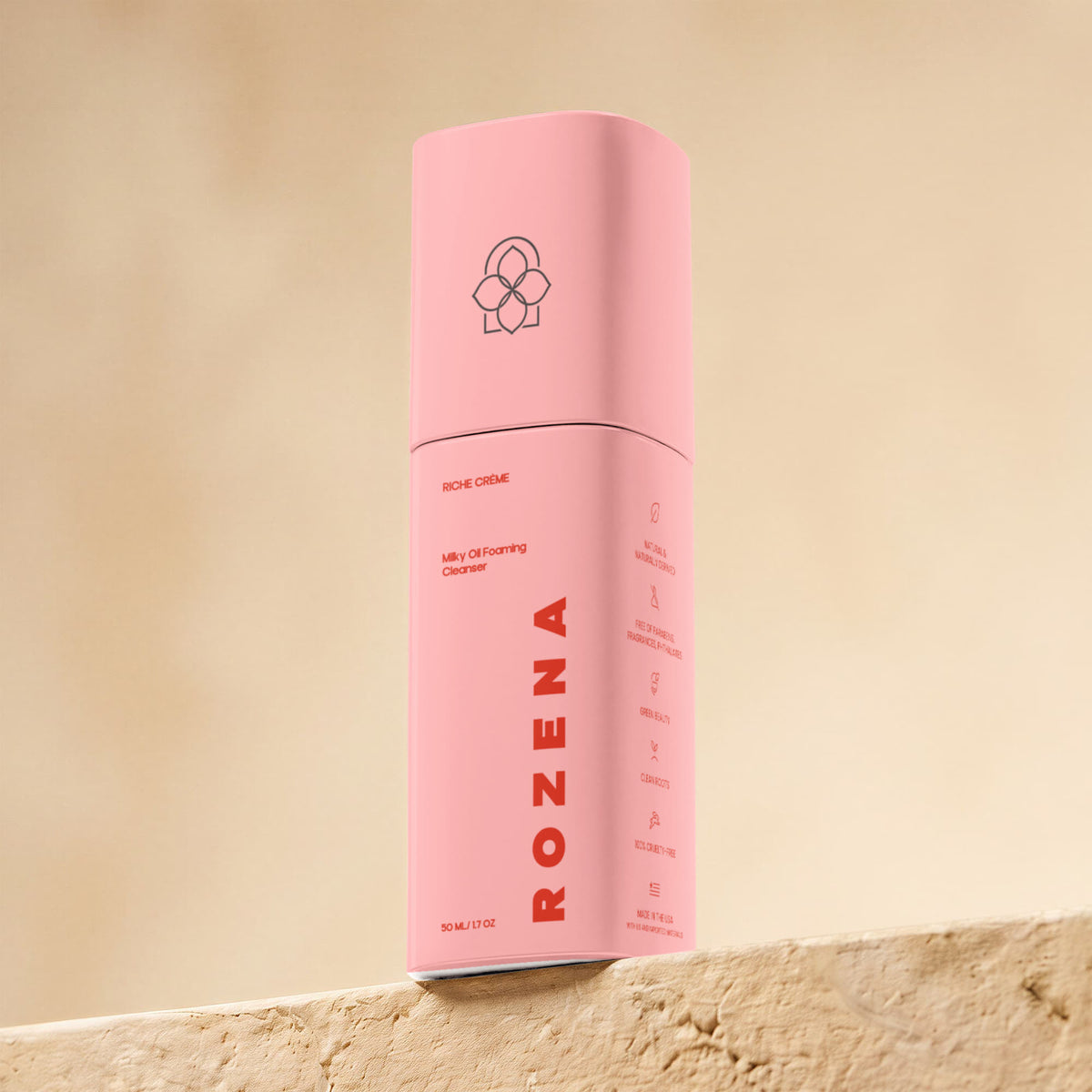
The Best Hydrating Cleanser for Dry Skin
For skin that feels consistently dry or tight, the most comfortable options are usually cream, milky, oil, or milky oil cleansers.
The ROZENA MAISON Milky Oil Foaming Cleanser brings together two carefully considered textures in one daily formula. It begins with a soft milky oil, then transforms into a gentle foam as it is blended with water.
This transformation allows the cleanser to lift makeup, sunscreen, and impurities while maintaining a smooth, nourished feel. The finish is fresh and comfortable rather than squeaky.
The cleanser is available in a 50 mL / 1.7 fl oz format for $49 USD.
Explore the ROZENA MAISON Milky Oil Foaming Cleanser
Purposeful Ingredients
Every ingredient should have a reason to be present. The Milky Oil Foaming Cleanser includes a thoughtful combination of cleansing, hydrating, and nourishing components:
- Vegetable glycerin: helps attract and retain moisture for a softer after-feel
- Sodium hyaluronate: a form of hyaluronic acid that supports a hydrated feel
- Squalane: helps provide lightweight nourishment and a smooth finish
- Organic macadamia seed oil: contributes emollient comfort for dry-feeling skin
- Sunflower seed oil: nourishes and supports the feeling of a comfortable skin barrier
- Olive oil: helps cleanse while supporting moisture balance
- Aloe vera and panthenol: provide a soothing, conditioned feel
The formula is also listed as cruelty-free and free from parabens, fragrance, and phthalates.
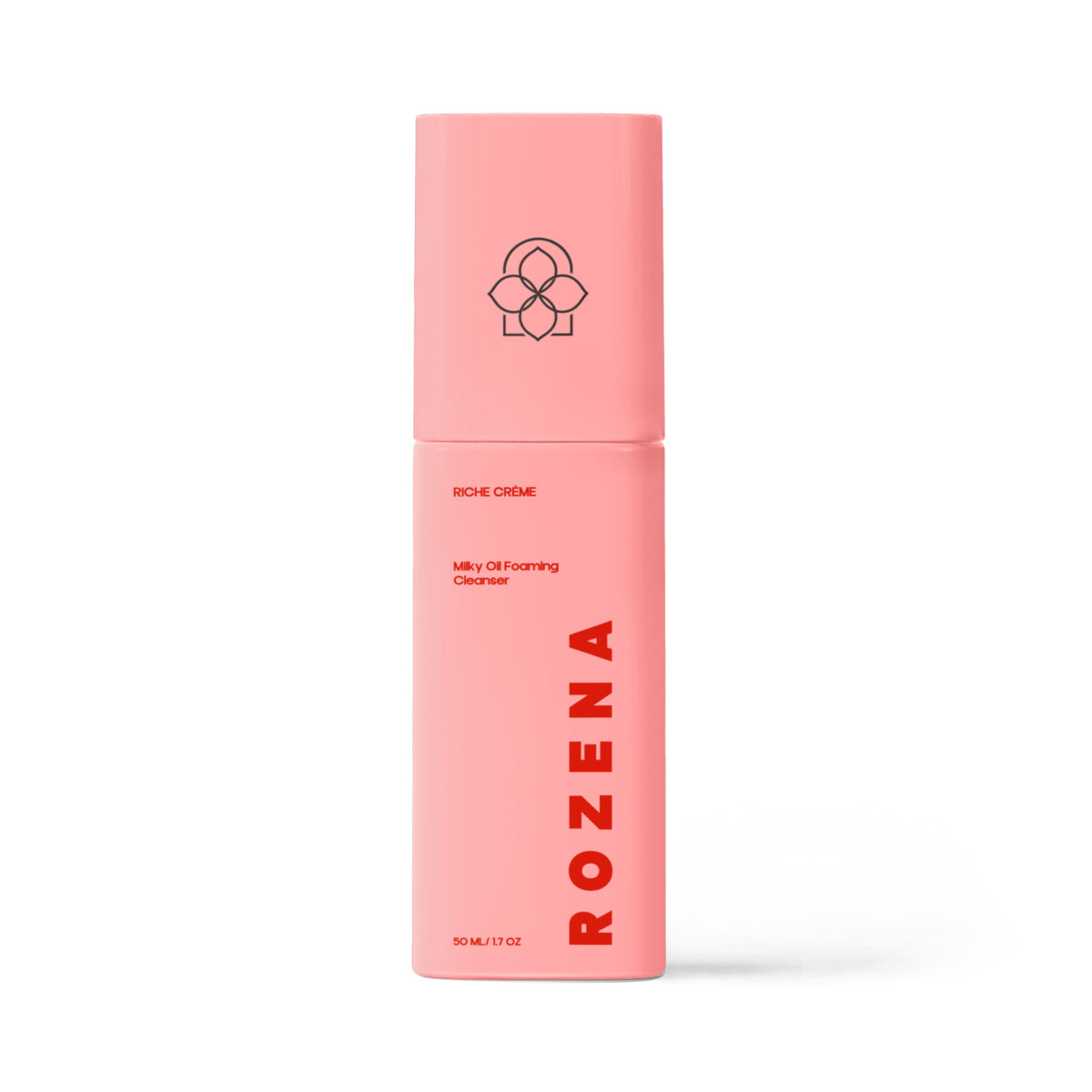
How to Use a Milky Oil Foaming Cleanser
Turn cleansing into a calm, unhurried ritual.
- Begin with dry hands and a dry face. This allows the milky oil texture to meet makeup, sunscreen, and daily residue directly.
- Blend the cleanser between your hands. Warm it gently until it feels soft and creamy.
- Massage over the face and neck. Use slow, circular movements without pressing or rubbing aggressively.
- Add a little lukewarm water. Continue massaging as the cleanser becomes silky and begins to foam.
- Rinse thoroughly. Use tepid water rather than hot water, which can leave dry skin feeling more uncomfortable.
- Pat gently with a clean towel. Leave the skin soft and ready for the next step.
Use morning and evening, or adjust according to how your skin feels. In the evening, the oil phase is particularly useful for removing sunscreen and makeup. In the morning, a single gentle cleanse can refresh the skin without over-cleansing.
The Post-Cleanse Step
Hydration should follow cleansing while the skin still feels fresh.
After rinsing, apply the ROZENA MAISON Pro-Aging Nourishing Face Cream. Its rich, nourishing texture completes the ritual by helping skin feel supple, comfortable, and radiant.
Together, the cleanser and face cream create a simple two-step routine:
- Cleanse with care
- Nourish with purpose
- Finish with quiet confidence

A Simple Checklist Before Choosing
Before purchasing a hydrating facial cleanser, consider the following:
- Does the formula promise hydration rather than oil control?
- Is the texture suitable for dry or sensitive skin?
- Does your face feel soft and comfortable after rinsing?
- Does the ingredient list include humectants, emollients, or nourishing oils?
- Can it remove sunscreen and daily impurities without excessive rubbing?
- Does it fit naturally into the rest of your skincare ritual?
The best cleanser for dry skin is not necessarily the richest or most foamy. It is the one that cleanses effectively and leaves the skin feeling balanced, calm, and ready for nourishment.
Final Verdict
Cream and oil cleansers remain trusted choices for dry skin, while gel cleansers are best selected with care. Foaming cleansers can also be suitable when they are thoughtfully formulated for hydration rather than aggressive cleansing.
For those who want the sensory comfort of an oil and the fresh finish of a foam, the ROZENA MAISON Milky Oil Foaming Cleanser offers a refined solution. Its milky oil texture transforms into a soft foam, while glycerin, hyaluronic acid, squalane, aloe vera, and nourishing plant oils support a comfortable, radiant finish.
Cleanse slowly. Rinse gently. Follow with nourishment.
A considered ritual begins with the right cleanser.
Frequently Asked Questions
Is a foaming cleanser good for dry skin?
A foaming cleanser can be good for dry skin when it is specifically formulated to be gentle and hydrating. Avoid formulas focused mainly on deep cleansing or oil control if your skin often feels tight after washing.
What is the most hydrating type of facial cleanser?
Cream, milky, oil, and milky oil cleansers are generally the most comfortable choices for dry skin. They can remove impurities while helping the skin maintain a soft, nourished feel.
Should dry skin use an oil cleanser?
Yes. An oil cleanser can be particularly useful for removing makeup and sunscreen without excessive friction. A milky oil cleanser offers a lighter alternative to a traditional balm or cleansing oil.
How often should dry skin be cleansed?
Many people with dry skin prefer cleansing once in the evening and using a gentle cleanse in the morning. A hydrating formula can be used morning and night when the skin is comfortable with the routine.
What should be applied after a hydrating cleanser?
Follow cleansing with a nourishing moisturizer, such as the ROZENA MAISON Pro-Aging Nourishing Face Cream, to support a soft and comfortable finish.