

5 Signs Your Skin Needs a Hydrating Cleanser
Cleansing should leave your skin feeling fresh and comfortable, not as though it needs immediate rescue. If tightness, flaking or unexpected sensitivity has become part of your daily routine, it may be time to take a closer look at your cleanser.
A hydrating cleanser removes makeup, sunscreen and everyday impurities while helping skin feel soft after rinsing. Here are five signs your cleansing step may be calling for a gentler touch, and what to consider instead.
1. Your skin feels tight after rinsing
That pulled, uncomfortable feeling just after washing is one of the clearest signs you need a hydrating cleanser. It can mean your daily face cleanser, washing habits or water temperature are leaving your skin feeling less comfortable than it should.
Tightness alone does not identify the cause, but if it happens regularly (especially before you have applied moisturiser) it is worth reassessing your routine. A cleanser should leave your face feeling clean, not stretched or thirsty.
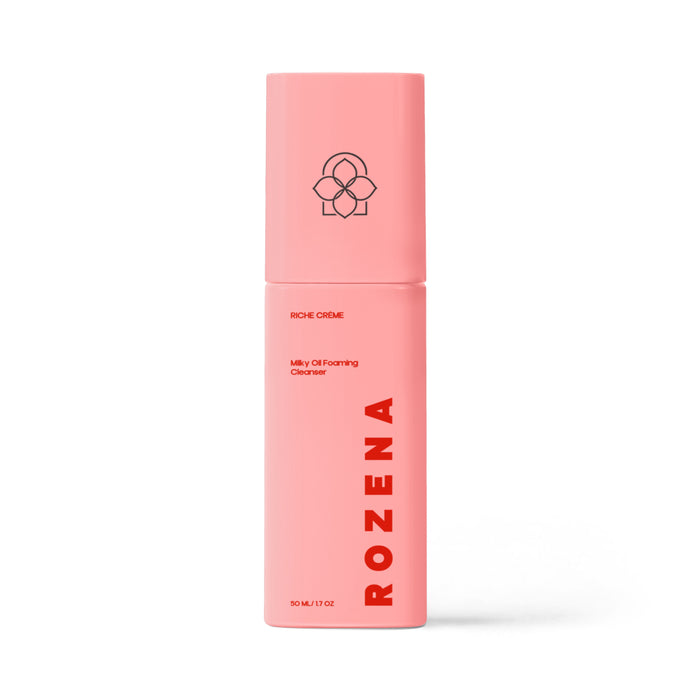
What to look for instead: A gentle cleanser that rinses away easily without leaving a dry, squeaky finish. The Milky Oil Foaming Cleanser transforms from a milky oil into a soft foam. Its formula includes glycerin, squalane, panthenol and sodium hyaluronate, ingredients that support a soft, comfortably hydrated feel as the cleanser does its work.
2. Your complexion looks dull or devitalised
When skin looks less fresh than usual, it is natural to focus on serums or exfoliation. But the cleansing step deserves a look, too. A cleanser that feels too harsh, or a routine that cleanses more than your skin needs, can leave your complexion looking less comfortable and radiant.
Dullness can have many causes, including weather, sleep and other routine changes. Still, if it appears alongside tightness or discomfort after washing, a more considered cleanse may be a useful adjustment.
What to look for instead: A hydrating facial cleanser that removes daily residue without relying on an overly aggressive, “squeaky-clean” finish. The Milky Oil Foaming Cleanser pairs its oil-to-foam texture with sunflower and olive oils, which the product information identifies as nourishing components of its cleansing formula.

3. You notice flaking or uneven texture
Dry-looking flakes and rough patches can make skin feel uneven beneath makeup or to the touch. If these signs appear alongside a new cleanser, frequent washing or long, hot rinses, your cleansing routine may be contributing to the feeling of dryness.
Flaking can also have other causes, so it is not a reason to scrub harder. Abrasive tools and repeated cleansing can add friction when skin already feels delicate.
What to look for instead: A gentle foaming cleanser with a soft, easy-to-spread texture, used with light fingertip massage. Avoid treating every patch of unevenness as something to exfoliate away. The aim is to cleanse with care and follow with moisturiser while skin still feels comfortable.
4. Your skin has become more sensitive or reactive
If products that once felt comfortable now seem to sting, or your skin has become more reactive after cleansing, pause before adding more active products. A change in sensitivity can reflect many influences, but the products and habits in your routine are worth reviewing.
Start with the basics: how often you cleanse, how long you massage and whether your water is very hot. Notice whether discomfort follows a particular product or step. Persistent irritation, or symptoms that worsen, are best discussed with a qualified healthcare professional.
What to look for instead: A simple, gentle cleansing step, applied without scrubbing or unnecessary repetition. The product information for Rozena Maison’s cleanser lists it as made without added fragrance, parabens or phthalates. If your skin is particularly reactive, patch test new products and discontinue use if irritation occurs.
5. Your cleanser leaves skin squeaky or stripped
“Squeaky clean” can sound like proof that a cleanser has worked. In practice, that very dry, stripped sensation is not a finish to chase. A good daily cleanser should remove residue while leaving your skin feeling clean and at ease.
This is especially worth noticing if your face feels uncomfortable until you apply moisturiser, or if cleansing leaves you reaching for richer products just to feel normal again.
What to look for instead: A cleanser that balances a fresh rinse with a soft finish. The Milky Oil Foaming Cleanser is designed to move from milky oil to foam, offering the sensory lightness of a gentle foaming cleanser with a nourishing, oil-based start.
A quick cleanse check
| What you notice | What to reconsider | What to seek in a cleanser |
|---|---|---|
| Tightness after rinsing | Cleanser strength, water temperature or washing frequency | A gentle, comfortable rinse |
| Dullness with dryness | Whether cleansing feels overly stripping | A hydrating facial cleanser |
| Flaking or rough patches | Scrubbing, hot water or repeated cleansing | A soft texture and light touch |
| New sensitivity | Recent product or routine changes | A simple cleanse; patch test new products |
| A squeaky finish | The idea that tighter means cleaner | Clean skin that still feels comfortable |
A softer cleansing ritual
A hydrating cleanser works best as part of a calm, consistent routine. Small adjustments, especially to water temperature and pressure, can make cleansing feel more comfortable.
- Begin with a light touch. Wet your face with lukewarm water. Use clean fingertips rather than a rough cloth or brush.
- Blend and massage. Follow the directions for your cleanser. With the Milky Oil Foaming Cleanser, blend it between clean hands, then gently massage over your face and neck.
- Rinse without rushing. Use lukewarm water and rinse thoroughly. There is no need to scrub or keep cleansing once makeup, sunscreen and daily residue have been removed.
- Pat dry and follow with moisturiser. Press a clean, soft towel against your skin rather than rubbing. Then apply your preferred moisturiser while skin feels comfortable.
For a nourishing final step, the Pro-Aging Nourishing Face Cream is formulated with ingredients including glycerin, squalane and hyaluronic acid. Apply a small amount to your face and neck, adjusting the amount to suit your skin and routine.

FAQ
How do I know if I need a hydrating cleanser?
Regular tightness or a squeaky, stripped feeling after washing are useful cues to review your cleanser and routine. Flaking, roughness or new discomfort can also be reasons to try a gentler approach. These signs can have other causes, so consider the full picture rather than relying on one symptom.
Can a hydrating cleanser foam?
Yes. Some hydrating cleansers create a gentle foam. The important consideration is how your skin feels after rinsing, not the presence or absence of foam alone.
Is a milky oil cleanser suitable for daily use?
A milky oil cleanser may fit into a daily routine when used according to its directions and when your skin finds it comfortable. The Milky Oil Foaming Cleanser is described for morning and evening use. Introduce new products with care, especially if your skin is reactive.
What should I do if dryness or irritation continues?
Review recent changes to your routine and keep cleansing gentle. If dryness or irritation persists, worsens, or becomes painful, seek advice from a qualified healthcare professional or dermatologist.
A comfortable finish
A thoughtful cleanse should leave skin feeling fresh, soft and ready for the next step. If your current routine regularly ends in tightness, flaking or a stripped feeling, consider changing the cleanser before adding more steps. Choose a gentle formula, use lukewarm water and let comfort, not the squeak, guide the ritual.
Tags: cleansers, ingredients, rituals